Bruck encourages women to prioritize health
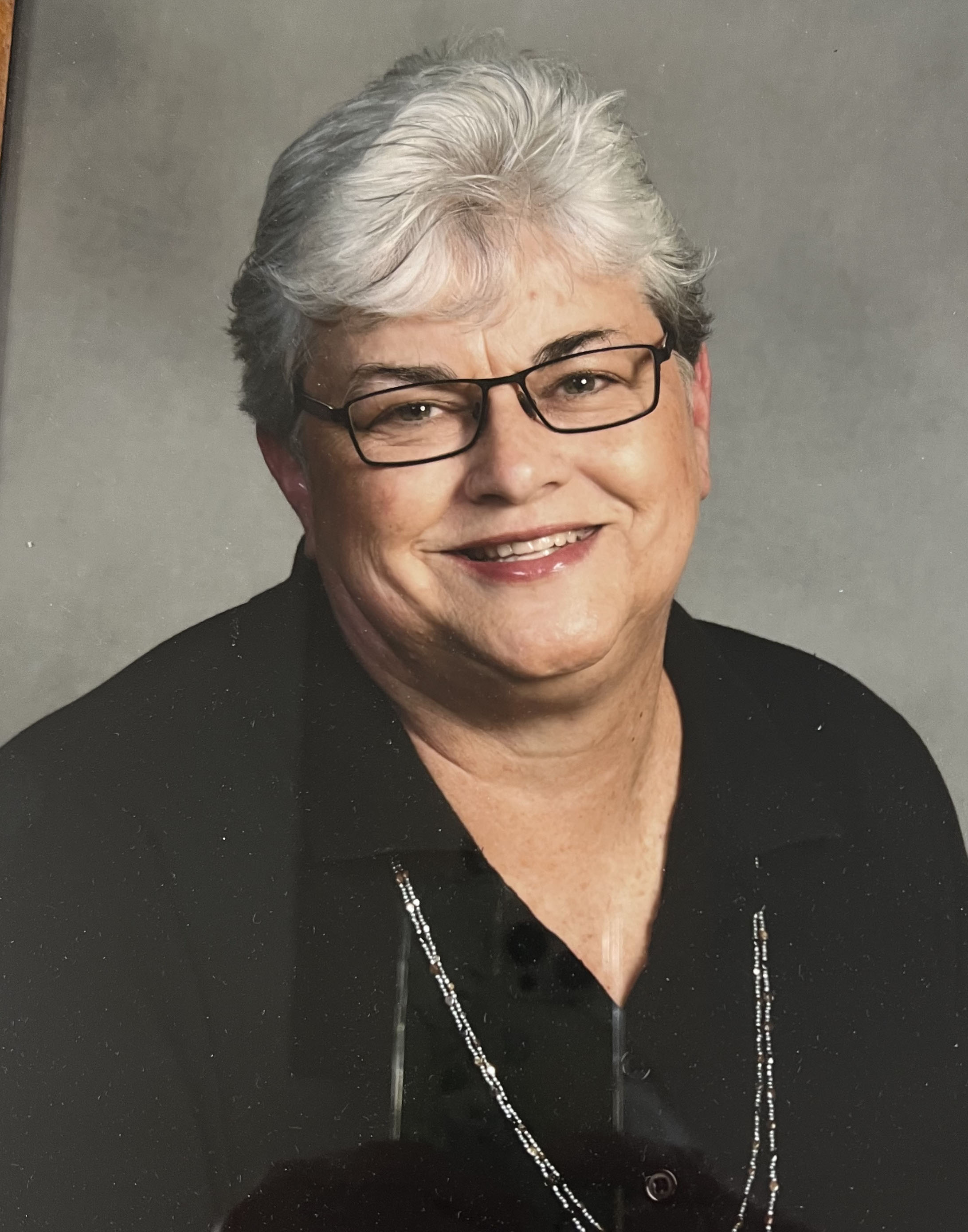
HARLAN — Joan Bruck never expected to hear that she had breast cancer. With no known close family history of the disease, she believed it was one health concern she did not have to worry about. But a routine mammogram and a radiologist’s decision to investigate a suspicious area changed her perspective on the importance of regular screenings.
Bruck’s diagnosis came after a mammogram in March and a follow-up appointment in April. Because she has dense breast tissue, her mammograms have often required additional imaging.
“I was grousing about being called back again,” Bruck said, explaining that she had been called back multiple times in previous years for additional testing, sometimes resulting in extra out-of-pocket costs.
During the follow-up examination, the radiologist remained concerned about what he saw. After taking multiple images, he told Bruck he had a gut feeling that something was not right and asked whether she would agree to a biopsy.
A cancellation in the schedule allowed the biopsy to be performed that morning.
“I said, ‘OK, let’s do it before I change my mind in the next five minutes,’” Bruck recalled.
When her doctor’s nurse called to schedule an appointment to discuss the results, Bruck suspected the news was not good. Her doctor, Jill, wanted to deliver the diagnosis in person.
Early diagnosis meant less invasive treatment
Bruck underwent a lumpectomy on May 20. After allowing time for healing, she began radiation treatment in mid-July at Methodist Jennie Edmundson Hospital in Council Bluffs, choosing the facility because it was the closest option she knew of.
She completed 21 days of radiation treatment, attending appointments Monday through Friday at the same time each day.
Although the treatment sessions themselves took only about five to 10 minutes, the daily drive and the cumulative effects of treatment became more challenging than she anticipated.
“The fatigue had hit me more than what I thought it was,” Bruck said.
She often planned to stop for breakfast or coffee after her appointments before making the drive home, finding that a little time to rest helped her manage the fatigue.
Bruck praised the radiation team for explaining the procedures and making her feel comfortable throughout the process. She also noted that access to treatment remains a concern for people living in southwest Iowa, where patients may need to travel to Council Bluffs or Omaha for specialized care.
Her doctor explained that patients can choose where to receive treatment and that established standards of care are available across facilities. However, Bruck recognized that travel can become particularly difficult for patients experiencing fatigue or those who are uncomfortable driving in Omaha.
Treatment brought challenges, but recovery progressed
Bruck said her recovery from surgery was relatively smooth, with little pain and no significant disruption to her everyday activities. She took only a small amount of over-the-counter pain medication and occasionally rested in the afternoon when radiation left her tired.
The most noticeable skin-related side effect was similar to a sunburn, with discoloration and peeling around the breast and nipple. Her treatment team provided creams to help manage the irritation.
She also experienced bronchitis following treatment, which aggravated an asthma condition. The experience reinforced for her that recovery can involve unexpected challenges, even when the cancer treatment itself appears to be going well.
Because the cancer was detected at an early stage, Bruck was able to pursue breast-conserving surgery rather than a mastectomy. Her medical team also sent a sample of the tumor for testing to determine whether chemotherapy was likely to provide a benefit.
According to Bruck, the results indicated a zero percent estimated benefit from chemotherapy, allowing her to avoid that additional treatment.
She considers the early diagnosis a major reason her treatment was less extensive than it might otherwise have been.
“By that being caught early and stage one, it made all the other decisions easier and less invasive,” she said.
A new perspective on health and retirement
Bruck said the diagnosis changed the way she thinks about her health and the importance of making medical appointments a priority.
She acknowledged that she had postponed some screenings and other health concerns while caring for her late husband, Ralph. His health problems had made it easy to put her own needs aside, but her cancer experience taught her that taking care of herself was also important.
“I decided I was one extremely lucky gal that it was caught early,” Bruck said.
She credits the radiologist’s willingness to investigate the suspicious area rather than dismiss it as another routine callback. His decision to pursue a biopsy helped identify the cancer and move her toward treatment.
Bruck retired May 1, just as her medical appointments began taking up much of her time. Although the timing was not what she had envisioned, retirement allowed her to focus on treatment without worrying about missing work.
Now, she is looking forward to spending more time sewing, reading and enjoying retirement.
She also emphasized the value of friendship during a cancer diagnosis. A friend who was a nurse accompanied her to an early appointment, offering moral support and serving as a second set of ears to help remember the information provided by doctors. Friends also helped with transportation and made the daily routine more manageable.
“Lean on your friends,” Bruck advised other women facing a diagnosis. She said friends can help maintain a positive outlook and provide practical assistance when needed.
Her advice is to follow the instructions of doctors and nurses, take care of mental health and avoid worrying about possibilities before knowing the facts and the treatment plan.
Follow-up care remains important
Although Bruck has completed radiation, her medical team continues to monitor her recovery. She said she will undergo additional imaging and more frequent mammograms before potentially returning to an annual screening schedule.
Her doctors are also checking an area in her right breast that they currently believe may be scar tissue.
Bruck said she has been reassured by the continued follow-up, even though she initially thought completing treatment might mean she was finished with appointments.
Her experience has also highlighted the challenges dense breast tissue can present during screening. She has spoken with other women who have experienced repeated callbacks for additional imaging and understands how frustrating those appointments can be.
Still, she encourages women not to let the inconvenience or discomfort of mammograms discourage them from getting screened or following up when additional testing is recommended.
“Do your mammograms religiously, and then follow through with whatever they tell you,” Bruck said.
She also recommends bringing a trusted friend or family member to an initial appointment, particularly when receiving a diagnosis or discussing treatment options.
For Bruck, the experience was an unexpected and sometimes exhausting chapter in her life. But early detection, a treatment plan tailored to her diagnosis and support from those around her helped her move forward.
Her message to other women is straightforward: Make your health a priority, keep up with recommended screenings and take the next step when doctors advise further testing. Even when a diagnosis comes as a surprise, getting answers early can make a meaningful difference in the decisions that follow.